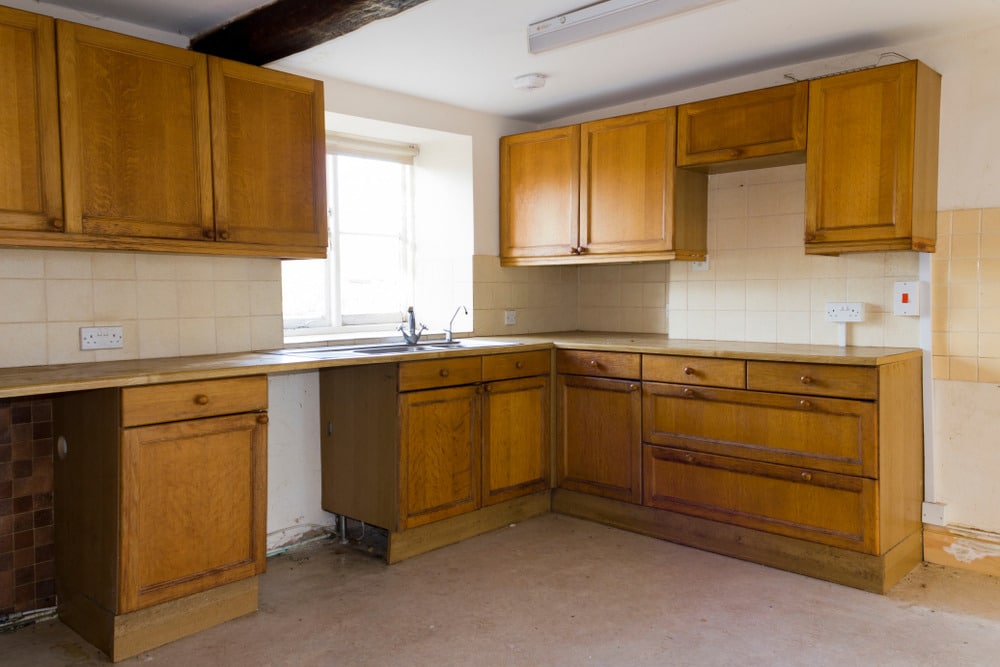

Research from BuildLoan said the average cost of renovating an uninhabitable home was around £70,000, and higher for properties that have not been lived in for a significant period.
The cost to renovate a long-term vacant property is around £95,000, BuildLoan said, up from £91,250 last year and £87,500 in 2024.
According to data from the Office for National Statistics (ONS), there are around 361,000 long-term vacant homes in the UK, 15% more than last year.
BuildLoan said the Covid-19 pandemic disrupted house sales and renovations, leading some homes to remain empty for longer than expected. It said this recovered slightly during the stamp duty holiday, but the number of vacant homes was beginning to rise again.
It attributed this to economic pressures, higher material costs, labour shortages and long-term structural issues affecting UK housing.

Episode 3: Self Employed: Powered by Partnership podcast from Newcastle for Intermediaries
Sponsored by Newcastle for Intermediaries
A need for suitable lending options
BuildLoan said people wanting to renovate a home previously had to rely on bridging loans if the property was not fit to secure a mortgage.
The lender has seven renovation products for homes deemed uninhabitable by most lenders and therefore unmortgageable, which it said closed the gap between residential mortgages, bridging and heavy renovation finance.
The range is funded by several building societies, including Chorley, Furness and Stafford Building Societies, and is suited to lighter, non-structural works.
It offers streamlined applications and a reduced fee.
Chris Martin, head of product development and lender relationships at BuildLoan, said: “Our analysis suggests the number of long-term vacant properties in the UK has increased since 2025, having already risen steadily for a number of years. That represents a huge untapped resource for the housing sector – one that could potentially help solve the housing crisis.
“The problem has always been that there was never a mortgage designed for properties that would be regarded by most lenders as uninhabitable.”
He said that properties needed to have a working kitchen, bathroom and running water to be considered habitable, but valuers sometimes saw a home as unsuitable for a mortgage for other reasons.
Martin added: “Mortgage brokers are taught that if a house isn’t habitable, it isn’t mortgageable. That’s no longer true. We can fund these renovations. Given how little progress we have made on building new homes over the last 50 years, renovating vacant properties should be part of the equation as we look to tackle the housing crisis.”
Martin also said the government was falling behind on its promise to build one-and-a-half million new homes by August 2029, as so far, just 340,000 have been delivered. He said the rest could come from the renovation of the UK’s empty homes.
Martin said: “Since the late 1960s and the post-war building boom, the UK has consistently failed to build enough new homes. Governments have set plenty of new build targets – but those targets have not met. This new type of loan could potentially offer a private sector solution to the challenge posed by the nation’s housing crisis.”