
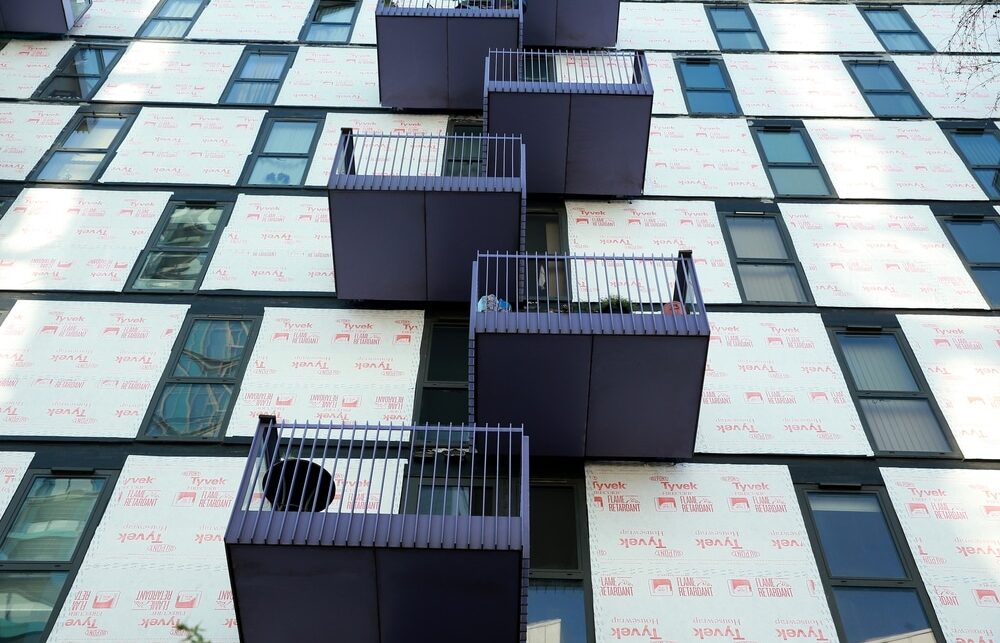

Research by Property Inspect, based on Ministry of Housing, Communities and Local Government (MHCLG) data, found that 4,697 residential buildings above 11 metres were being monitored for potential remediation at the end of July 2026, up from 4,191 at the end of January.
The 12.1% increase comes despite continued progress in remediation activity. Property Inspect said this reflected both the scale of the task still facing the sector and an increase in the number of buildings being brought into government remediation programmes.
The MHCLG estimated it is now monitoring between 64% and 81% of buildings expected to require remediation, up from 49-73% at the start of the year.
The number of buildings waiting for remediation to begin also increased by 7.5%, highlighting the sizeable pipeline of projects still to be completed.

Grasping the next buy to let opportunities
Sponsored by Aldermore
New levy takes effect
From today, the Building Safety Levy applies to relevant building control applications and notices submitted for qualifying residential developments.
The levy was designed to raise funds for the remediation of building safety defects in cases where a responsible developer cannot be identified or held liable.
Charges vary according to location, development type and whether land has previously been developed.
Kensington and Chelsea faced the highest rates, at £50.17 per square metre for developments on previously developed land and £100.35 per square metre on previously undeveloped land. Westminster followed at £49.01 and £98.01 per square metre respectively, while Hammersmith and Fulham’s rates were set at £45.94 and £91.87.
Outside London, Epsom and Ewell had the highest levy rate for previously undeveloped land at £56.62 per square metre, followed by Cambridge at £50.87.
Sián Hemming-Metcalfe, operations director at Property Inspect, said the levy was an important step towards addressing the costs of the building safety crisis through a “dedicated mechanism”. But she warned that funding alone would not accelerate remediation.
She continued: “The latest figures show that the number of buildings being monitored for remediation continues to grow, while thousands of buildings remain somewhere in the remediation pipeline.
“We need to make sure that the funding, skills and capacity required to move these buildings through the process are available at the same time.
“The ultimate measure of success should not simply be how much money is raised or how many remediation projects are started. It should be how quickly buildings can move from being identified as unsafe, through assessment and remediation, to a point where the work is properly evidenced, signed off and residents can move forward with confidence.”