

Mortgage News
London house prices reach new high: Acadametrics
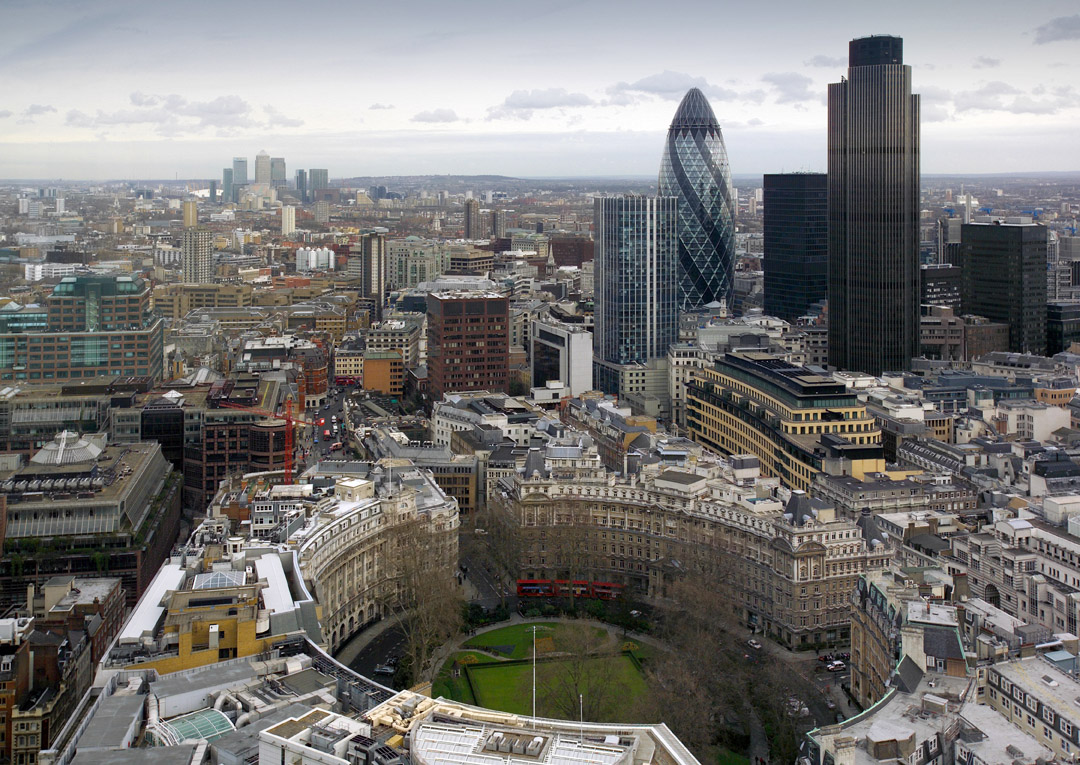

House prices have risen for the eleventh consecutive month in England and Wales, increasing 1.1% in March, with London prices reaching a new high, according to Acadametrics.
The Acadametrics House Price Index showed that the average house price has increased to £227,788, the same level as August 2007. Yet, this was still 2% down on the peak seen in February 2008 of £231,828.
There remains a distinct North/South divide in house price rises, with the South seeing the largest growth. London house prices have been driven to a high of £376,605, £748 more than the previous peak recorded in February 2008. Acadametrics noted that the effect of London on its price measures has begun to strengthen once more as it has in the past when it led the recovery of house prices.
The annual rate of house price increase has started to recover despite the uncertainty in the market, with the average price of residential property transactions up 13.4% on last year. This was the fifth month in a row that the annual rate of change has been positive, albeit based on reduced volumes and lack of first-time buyers.
Peter Williams, chairman of Acadametrics, said: “The evidence is beginning to suggest that the rate of change in the annual price index is falling, raising the possibility that prices may begin to stabilise at their current levels. At the same time it is clear that London prices are gathering momentum, and, if we exclude London from the aggregate England and Wales figure of £227,788, it drops back to £204,521 with London increasing on an annual basis faster than the rest of England and Wales.”
Housing transactions have also staged a partial recovery, up 19% between February and January, with an estimated 45,000 houses sold in February, 10,000 more houses than in January. However, this was still short of 2009’s average of 51,570 per month.

Are your clients ready for the first Making Tax Digital reporting deadline?
Sponsored by BM Solutions
While February traditionally sees an increase in transactions, it is typically of around 4.2%. Acadametrics said the large increase recorded between the first two months of 2010 could be put down to the fact that January transactions were very low due to the extreme weather conditions and end of the stamp duty holiday on 31 December 2009.
Williams commented: “Transaction numbers remain relatively low such that small pockets of demand can exert a higher influence on price than one would see in a more active market. This might also explain some of the differences between this index and mortgage based indices. We have noted that in all the high value areas prices have increased but transaction levels have remained fairly constant. This would either suggest that prices in these areas have actually increased, or that the higher value properties in these areas have been changing hands more frequently than is the norm – it may well be a combination of the two factors.”
He continued: “It is quite clear that we are facing a complex interplay of factors over the next few months: uncertainty triggered by the election and the inevitable delays this might mean in policy direction, the likelihood of higher taxes and lower state spending and question marks as to interest rates and the shape of the economic recovery. These in combination with a continued lack of competition in the mortgage market and the overhanging effects of how government will wind down its support to lenders means uncertainty is the watchword.
“Given this situation it would be no surprise that our house price index may be indicating a market which is stabilising after a period of rapid recovery once the market had clearly bottomed. Moreover it does suggest that the likelihood of further dramatic falls in prices is much reduced though more modest fluctuations might be expected.”