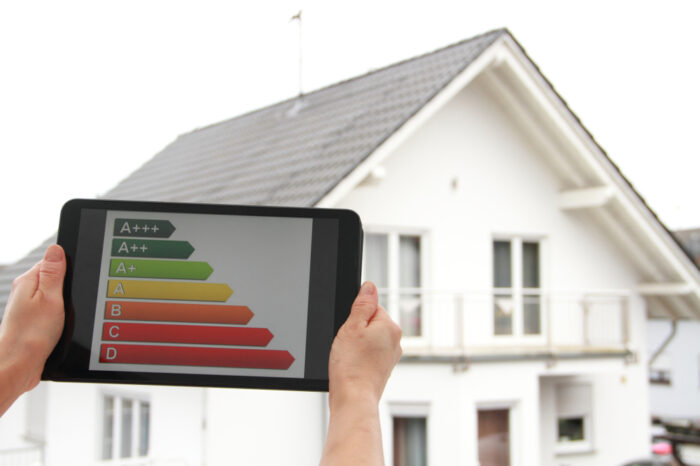

C-rated properties attract a 3.7% premium, while E-rated properties attract a discount of 1.7%.
The premium for an energy-efficient home has risen over the last 12 months, a study from The Mortgage Works (TMW) has found. Compared to its analysis carried out in 2024, the price premium for an A- or B-rated property has risen by just over one percentage point.
The North of England sees the highest premium for an A- or B-rated property at just over 19.1%, while this remains lower in London at 6.9%. In the South of England, the premium is 9.4%.
The value that BTL purchasers attach to more energy-efficient properties continues to be significantly greater than owner-occupiers, TMW’s analysis has found. An A- or B-rated house bought by someone looking to live in the property themselves attracts a much lower premium of 1.6%.
£2.5m paid to help broker clients benefit from greener homes
Sponsored by Halifax Intermediaries
Rent premiums
Emissions from residential buildings account for 15% of the country’s greenhouse gas emissions.
To help the UK meet its net zero objective by 2050, landlords must improve the energy efficiency of their properties to meet EPC band C from 2030, subject to a cost cap and some specific exemptions.
Furthermore, as energy costs rise – driven up by the war in the Middle East – homes that are efficient to run are more appealing to households.
According to TMW, an A- or B-rated property currently attracts an 8.1% rental premium compared to a similar D-rated property, up from 7% in 2024.
Based on the typical rent in England of £1,075, this equates to a premium of around £85 per month. C-rated properties attract a modest 1.8% premium (£20 per month), while there is a 1.7% discount for E-rated properties.