

Mortgage News
Coalition to simplify UK tax rules
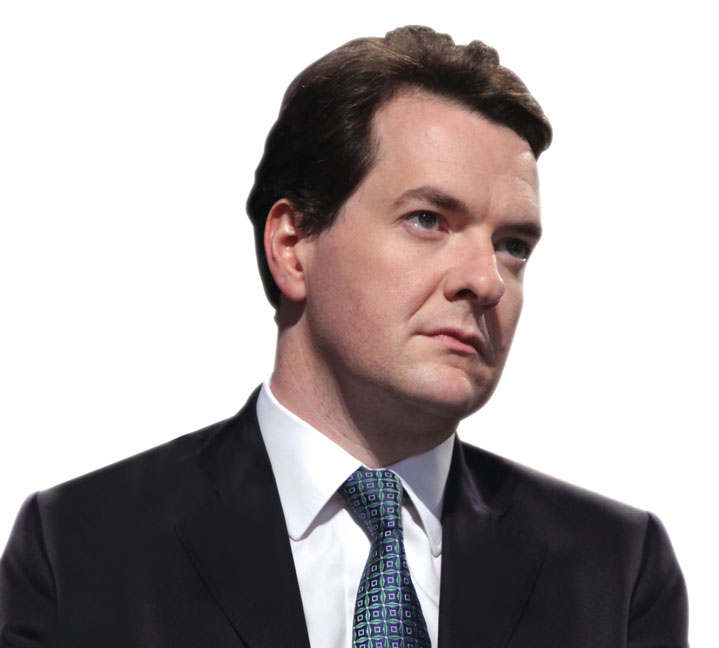

The Chancellor will today unveil plans to reform Britain’s tax system in a bid to reduce the burden of red tape on businesses and attract more international investment.
George Osborne will announce the Government is setting up an Office for Tax Simplification to analyse “potential reform options”.
The new body will look at all tax reliefs, allowances and exemptions and conduct a review of business taxation. It will be led by chairman Michael Jack and director John Whiting.
David Gauke, the Exchequer secretary, is expected to say in a speech later: “The tax system created by the previous government was overly-complex and has made the tax affairs of millions of families and businesses across the UK extremely complicated.
“We need to reduce the complexities in our tax system and the coalition is committed to delivering that goal.
“The Office for Tax Simplification will provide important advice that will help inform us in making the right reforms to the tax system that will help to pave the way to bringing more international business to the UK, which will give our economy the boost it so urgently needs in the years ahead.”

The next step towards a better home buying journey
Sponsored by Halifax Intermediaries
However, business owners are sceptical about the new Office, saying the tax system has become increasingly complex.
The Institute of Directors (IoD) says the British tax code is among the most complex in the world, and that “it has been getting worse every year”.
It yesterday called for the body to have “teeth”, writes the Telegraph. In a statement it says: “It is time to put tax simplification ahead of the endless tweaks that have been designed to appease special interests and Revenue zealots.”
Richard Baron, head of taxation at the IoD, adds: “[The tax office] is a long overdue initiative. The important thing now is to make sure that the Office achieves some early successes, and that it goes on achieving. Its recommendations must not end up stamped ‘too difficult’ or ‘maybe in the longer term’.”