

Mortgage News
Editors urge FSA to spike media clampdown rules
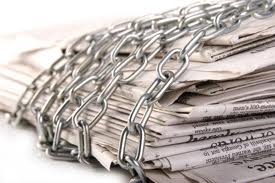

Editors of the Financial Times, Guardian, Reuters and the Times have written to the FSA urging it to scrap “misguided” anti-leak rules designed to curb journalists’ contacts with regulated firms.
As first reported in IFAonline, last month the FSA told regulated firms including banks, advisers and asset managers, to adopt media policies to kill “strategic leaks.”
It recommended firms channel all media enquiries though a press office and ensure contact with reporters was recorded.
But news organisations have attacked the edict as draconian, unlikely to stop committed leakers, and damaging to investigative reporting that makes markets less murky, according to Reuters.
In a rare joint letter, addressed to FSA chief executive Hector Sants, the quartet wrote its new rules were “misguided” and “will only injure the market integrity they purport to protect”.
“The proposal that all contacts between journalists and regulated firms should become subject to a prior screening process is disproportionate and unacceptable,” the editors wrote.

Are your clients ready for the first Making Tax Digital reporting deadline?
Sponsored by BM Solutions
“Regulated firms will find it much easier to hide behind bland press releases that conceal inconvenient corporate realities and there is a heightened risk journalists will feel compelled to publish unconfirmed reports and rumours, increasing the flow of misinformation.”
FT editor Lionel Barber, Guardian editor-in-chief Alan Rusbridger, Thomson Reuters editor-in-chief David Schlesinger and Times editor James Harding called on the FSA to “reconsider and revoke” its recommendations.
They complain the recommendations were issued without consulting the media, despite British guidelines which recommend new regulations are developed in consultation with those they affect.
The City watchdog denies choking press freedoms.
“The FSA is not clamping down on media freedom. It is clamping down on the passing of information or misinformation which could affect a financial deal,” a spokesperson told IFAonline last month.
The editors’ co-ordinated action recalls previous battles over protecting sources and to exempt financial journalists from European “market abuse” rules which could have led to criminal sentences for mistakes in reporting.
In December the European Court of Human Rights ruled the Guardian, FT, Independent, the Times and Reuters were right to protect their sources and refuse to hand over leaked documents about a possible beer industry takeover in 2001.
The FSA ran its own two-year probe but in 2003 decided it was “not the appropriate authority” for the case.