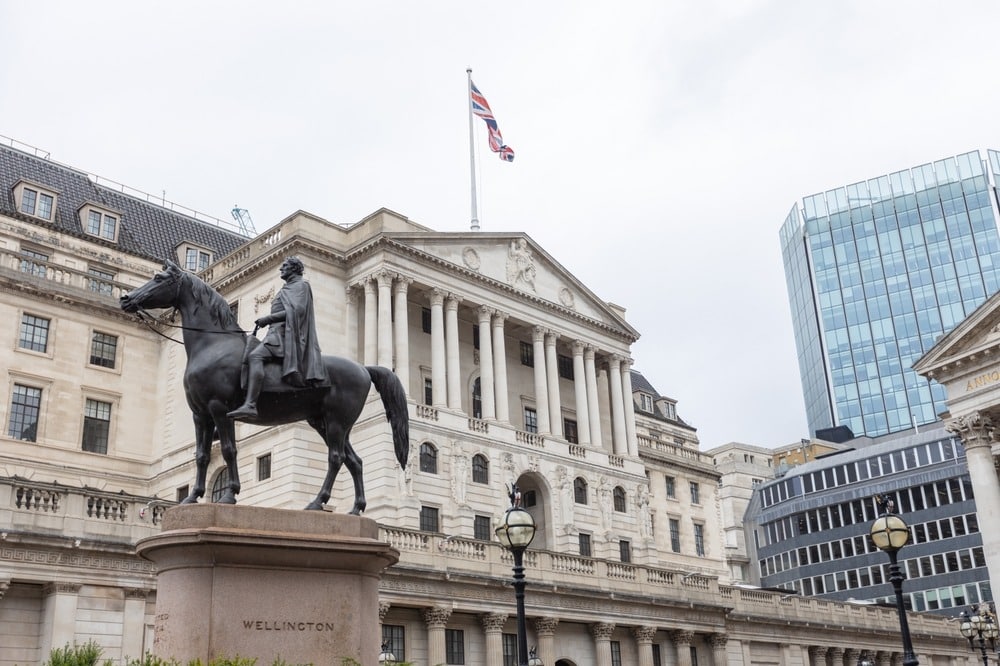

The base rate was also held at the MPC’s last meeting in February, having been cut to its current level in December.
The minutes from the meeting noted that the vote was a unanimous one and cited the ongoing US-Iran conflict and wider Middle East turmoil – and the impact on energy infrastructure – as the “main development” under consideration.
Prior to the outbreak of the conflict, a base rate cut had been widely expected by the markets – especially given that the hold in February was opted for by a narrow majority of 5:4, with four MPC members voting for a decrease. However, the conflict and subsequent uncertainty surrounding energy prices led many to revise their expectations.
The base rate had been expected by some to see more than one cut this year, but it is likely that the MPC will be cautious until the geopolitical landscape is more settled.

Your First Home: confidence to build
Sponsored by Halifax Intermediaries
Base rate hold ‘makes sense’
Since the outbreak of the conflict, many mortgage lenders have increased or even withdrawn rates, with changes announced almost daily.
Steve Cox, chief commercial officer at Fleet Mortgages, said: “A month ago, a bank base rate (BBR) cut at this meeting looked almost certain, but the global picture has changed dramatically in a very short space of time. The war in Iran, the conflict in the Middle East and the wider instability it has created, particularly the sharp movements in oil prices, has understandably made the MPC far more cautious. Energy costs have a direct line into inflation expectations and, given the potential knock-on effects for the UK economy, it makes sense that the MPC has chosen to pause and give itself time to see how these events develop before taking the next step on rates.
“Unfortunately, the knock-on effect of this uncertainty has been felt quite sharply in the mortgage market, including in buy-to-let. We’ve seen something of a concertina effect in recent weeks, with product withdrawals and rates edging up as lenders have needed to respond to the sharp movements in funding costs. It’s been clear that no lender is immune from this.”
He added: “At the moment, the path to further BBR cuts looks much narrower than it did at the start of the year, and the two or three cuts many were forecasting for 2026 now feels much less certain. That said, markets can move quickly. If there were to be a relatively swift de-escalation in the Middle East, the outlook could shift again, but right now, it would take a very brave call to predict that outcome, and an even braver MPC to move ahead of the evidence.”
Colin Bradshaw, CEO of TwentyCi, said: “The Bank of England’s decision to maintain the base rate at its current level was widely expected and reflects a cautious strategy in the current uncertain climate. The ongoing volatility in the Middle East has undoubtedly added a layer of complexity and the bank is likely wary of cutting too soon and risking an inflationary rebound that could undo the progress made over the last year.
“While buyer demand remains resilient, the lack of a downward move does not increase the affordability needed to unlock the next level of transaction volumes. We expect the market to remain stable, but the anticipated spring surge may be more of a steady trickle until the path to lower rates becomes clearer.”