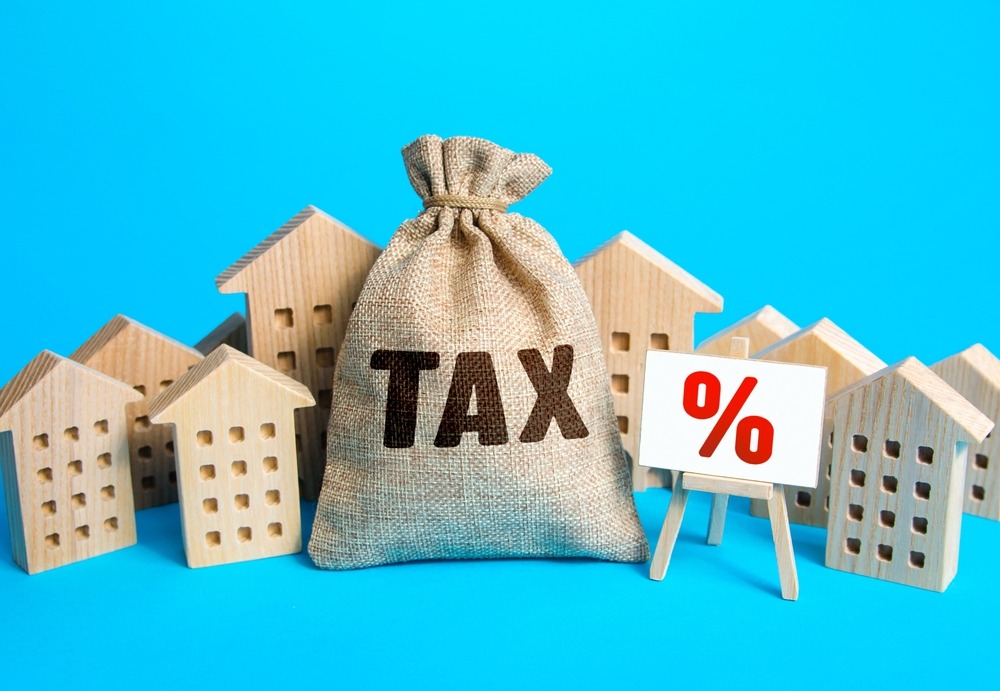

Rightmove said the average first-time buyer paid £4,618 more in tax because of the end of a temporary stamp duty holiday for first-time buyers in April last year.
The total estimated first-time buyer stamp duty bill over the past year was £408m, versus £101m the previous year.
Colleen Babcock, property expert at Rightmove, said those in more expensive areas of the UK bore the brunt of the extra tax, with those in London paying 53% of it and those in the South East 23%.
She called for stamp duty thresholds to vary across the country depending on house prices.
“A more regionally aligned approach to stamp duty could better support first-time buyers where affordability pressures are greatest, while also helping to encourage more movement across the housing ladder,” she said.
£2.5m paid to help broker clients benefit from greener homes
Sponsored by Halifax Intermediaries
Rates reversed
The change to the stamp duty threshold last April reversed a cut from September 2022, when the government temporarily increased the stamp duty thresholds to make it more affordable to buy a home and to support the housing market.
The UK government increased the nil-rate threshold of stamp duty land tax (SDLT) on residential properties from £125,000 to £250,000 in England and Northern Ireland. For first-time buyers, the threshold was raised from £300,000 to £425,000, with relief available on properties up to £625,000, rather than the previous £500,000.
The decision to reverse this was expected to lead to fewer first-time buyer transactions, the government revealed last summer. Before the change, 62% of homes for sale were stamp duty-free for first-time buyers, and that has now dropped to 41%.
Regional disparity
Regions further North contribute very little in stamp duty payments, because many typical first-time buyer homes are still below the stamp duty threshold. The North West and the East Midlands contributed just 0.3% and 1% towards the rise respectively.
Rightmove is calling on the government to consider stamp duty reform, as today’s figures show how heavily the tax burden on first-time buyers is concentrated in higher-priced parts of the country, Babcock said.
She added: “With the majority of stamp duty paid by first-time buyers coming from London and the South East, current national thresholds appear increasingly misaligned with regional property prices. These thresholds have not risen permanently since they were first introduced in 2017.”