
Many properties rejected by mainstream providers could be repaired, improved and moved back into long-term lending, said Together.
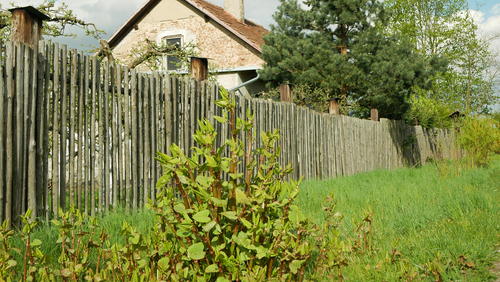
Together reported that 1.5 million properties are “unmortgageable” by mainstream providers, including homes deemed uninhabitable, affected by substantial Japanese knotweed, subject to flying freeholds or built using non-standard construction methods.
Speaking to Mortgage Solutions, Tanya Elmaz, director of sales at Together, said many of these “unmortgageable” properties were still “completely viable for people to live in, to buy, to renovate”.
“If a home is structurally safe, it can be brought into a mortgageable property,” she said.

Your First Home: confidence to build
Sponsored by Halifax Intermediaries
Bridging loans can unlock ‘unmortgageable’ homes
Together recommended short-term finance as a way to repair and improve properties that mainstream lenders had rejected.
Richard Rowntree, group CEO at Together, said: “Short-term solutions like bridging allow buyers, landlords and investors to step in, carry out essential refurbishment, and move properties back into longer-term lending.”
Elmaz added: “I don’t think there’s any property that we would deem to be ‘unmortgageable’… everything can be improved.”
Specialist lending awareness remains limited
Together’s research suggested demand for these properties remained pronounced, despite the restrictive criteria applied by some mainstream lenders.
Asked whether any group was particularly affected by restrictive mainstream lending criteria, Elmaz said: “Absolutely first-time buyers.”
Elmaz said one of the biggest challenges was a lack of awareness of specialist lending and the breadth of cases it could support.
“It’s an absolute travesty, because they don’t know where to go when a high street says no,” she said. Elmaz believed some first-time buyers probably did not know that specialist brokers or lenders existed.
As a result, she said, they limited the type of property they would consider.
Elmaz said education around specialist lending was important because buyers often lacked awareness that it was “not as tricky, difficult, or expensive as it might be”.
“Unmortgageable properties are the bread and butter of specialist lenders,” she said.
To change the narrative around “unmortgageable” properties, Elmaz said more education was needed to improve awareness of the options available outside the high street.
“When a buyer completely understands that they have the option of the high street and another option, that is where we are going to see the difference,” she said.
Elmaz added that the lending industry needed to educate individuals, customers, homeowners, first-time buyers and would-be investors that “there is no scenario that can’t be considered” in order to move away from the “unmortgageable” narrative.