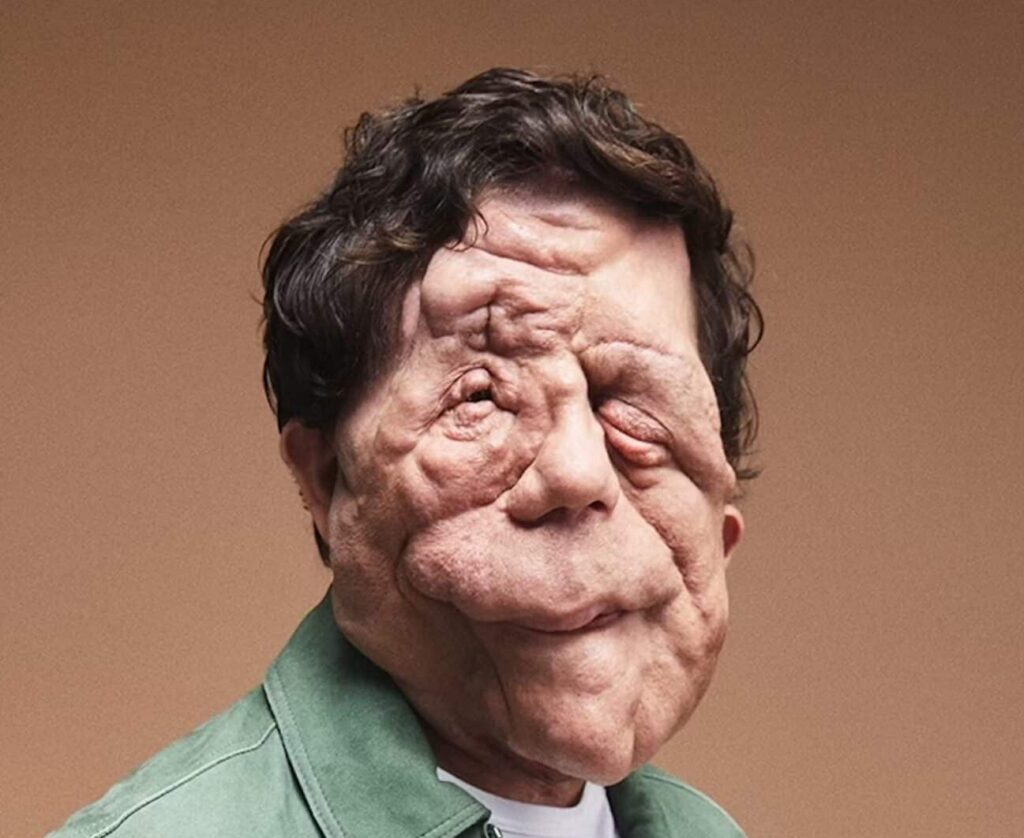

Actor and TV presenter Adam Pearson (pictured) said that in the UK, the purple pound – the disposable income of the disabled community – was worth £274bn, and if a company’s products and services were not suitable for people with disabilities, that was the potential loss.
He said just 4% of companies offered goods and services for the disabled community, despite 95% of firms saying they focused on diversity.
He said: “If you aren’t doing disability, you aren’t doing diversity. All you’ve done is patted yourself on the back and made this grey area in the middle called ‘diverse-ish’, which serves absolutely no one.
“Either all of this matters or none of this matters.”

What mortgage and protection advisers should take from the FCA’s AI stance
Sponsored by Sesame Bankhall Group
Dealing with discomfort
He said some DE&I conversations had done a “bit of a disservice” to the initiative, as instead of “having a go”, it made people worry about saying the wrong thing and getting cancelled.
He said people avoided pushing through the awkwardness.
Pearson added that when confronted by something new or out of our depth, there was often an elephant in the room, mixed emotions ran through people’s heads, and sometimes people were dismissive of the experiences of others.
“It doesn’t mean we’re bad people. We all use mental shortcuts and say mental gymnastics to help navigate our situations and make us feel comfortable.
“The thing is to catch ourselves when we do it and ask ourselves why… why am I feeling these things? And are these things I’m thinking and feeling right now necessarily correct or conducive to the current conversation or situation? How does disability make us all feel? How do conversations like the one we’re having now make us feel?” he added.
People also have “affinity bias”, Pearson said, making us align with things or people we already identify with.
“This weird tribalism kicks in and that can often happen with… other people who aren’t like us,” he said, adding that the confusion between disability and inability “can really compound all those complex thoughts and emotions”.
Pearson said there was also perception bias, when world views and existing ideals influenced how we felt about situations.
He said this was why he often tried to surround himself with people who were different to him.
Pearson said even when it came to people with disabilities, they often had different experiences from one another and said it mattered to understand each person might navigate the world.
“The more confident we get, the more competent we get. That jump between confidence and competence is critical,” Pearson said.
Doing more than talking
He added that he had been on many diversity and inclusion panels where people sat, talked a lot, yet “when it comes to doing the thing, nothing happens”.
In the workplace, Pearson asked whether job applications were accessible, giving the example that people with dyslexia might struggle with applications requiring online essay responses.
“We’re beyond putting disabled people in jobs, and we now need to start looking at disabled talent in careers,” he added.
Pearson urged firms to question whether their premises were wheelchair accessible, if two wheelchairs could pass each other in the corridor, and the evacuation process, saying this mattered when recruiting people with disabilities, as it went beyond “doing the thing”.