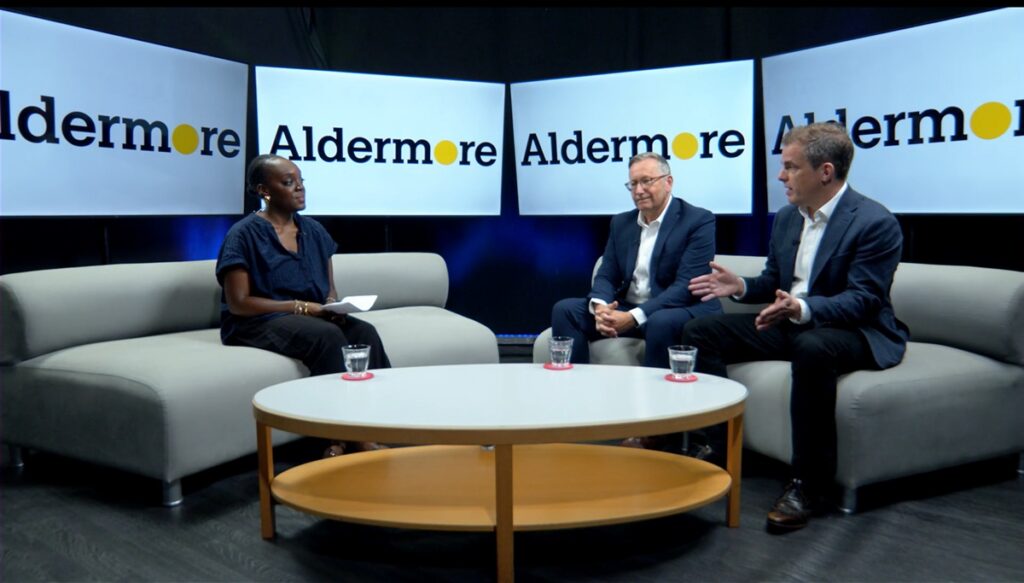
Aldermore brought out pledges in response to these, and Cooper said they had been maintained, including a 24-hour notice for rate changes, a 30-day decision in principle (DIP) guarantee and its decision not to charge an application fee.
Cooper said keeping the criteria clear and consistent also helped to maintain broker relationships and their work.
David Hollingworth, associate director of communications at L&C Mortgages, said the sector had “lurched from one period of extreme volatility to another” and the tens of thousands of product changes resulting from the Iran conflict were “seriously difficult” for brokers to keep up with, but “exactly why more customers need a broker’s help”.
Hollingworth said this time around, lenders had a better understanding and appreciation of the strain brokers were under, and even where they could not make pledges like Aldermore, there was more transparency.
Cooper said the role of field business development managers (BDMs) had increased in importance, and they needed to make sure they always added value.
What draws brokers to lenders
When asked how pricing, criteria or service influenced where brokers decided to place cases, Hollingworth said it was a blend of the three, but “when you get in those difficult times, you probably want to know exactly where the service lies”.
Reliability also matters, as well as a clear yes or no answer, Hollingworth added.
Cooper said expertise was key, and where Aldermore could not help, it would recommend another lender, noting that the options available at the moment had improved.
“We should be saying to brokers: ‘What have you got on your desk? What other customers are looking for a deal that’s a bit different, a bit quirky?’” Cooper said.
It is also important that the rate sources well and the fee is suitable, he added.